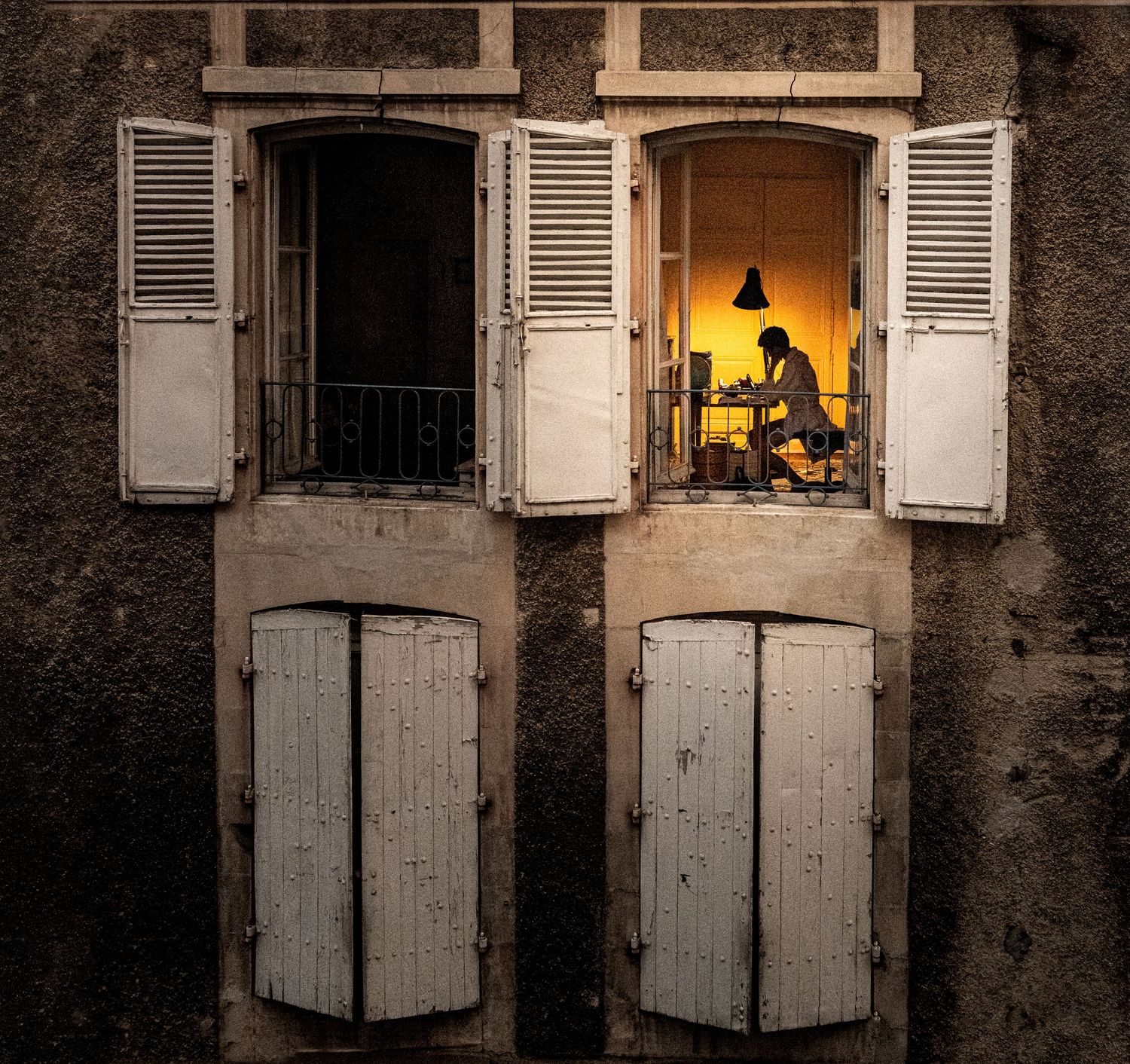
Street photography is about capturing the unscripted poetry of life as it unfolds in public spaces. It’s spontaneous, observant, and often deeply revealing--offering glimpses into the lives of strangers, the rhythms of a city, and the quiet dramas playing out in everyday environments. What draws me to this style is its ability to find meaning in the ordinary: a gesture, a shadow, a glance. Rather than staging or directing, street photography invites patience and attention. It asks the photographer to observe, to wait, and to respond instinctively when something resonates. In that way, it’s both documentary and expressive; an honest form that blends fact and feeling andreflects the world as it is, and sometimes, as we hope it could be.

Key elements of street photography go beyond technical choices—they begin with how the world is observed. It starts with slowing down, being present, and truly seeing. In that space, fleeting gestures, quiet interactions, and unexpected moments begin to reveal themselves. Framing and composition help shape those moments into something meaningful. Tools like the rule of thirds, leading lines, and natural frames aren't just formal devices—they guide the eye and create emotional resonance. A shift in perspective—crouching low, shooting from above—can transform an ordinary scene into something cinematic. Light and shadow become silent collaborators. Golden hour light can turn the mundane into the magical, while deep shadows lend weight and mystery. And always, there’s the human element. A glance, a pause, a shared laugh—these are the moments that give street photography its power. When people are captured as they are—not posed, but present—the result is a photograph with soul.

This composition makes effective use of the rule of thirds, guiding the viewer’s eye naturally through the frame. The scene is divided both horizontally and vertically, with intersecting points that help organize the visual elements. The illuminated building occupies the upper third, standing out against the deep blue sky, while the figures in the orange-lit underpass are positioned along the lower third. These placements anchor the image, creating a balance between the grandeur of the architecture and the warmth of human presence below. By aligning key elements along these thirds, the photograph achieves both structure and an engaging visual narrative.

Negative space is a powerful compositional tool, and this image exemplifies its impact. The expansive wall and empty sidewalk surrounding the subject emphasize solitude and quietness, drawing the viewer’s attention to the individual walking. By removing distractions, the negative space frames the subject and enhances their presence, creating a focused and minimalist composition. The interplay of light and shadow on the textured wall adds depth and atmosphere, transforming an ordinary scene into a striking, introspective moment. This thoughtful use of space invites the viewer to reflect on the subtle narrative within this everyday interaction between person and environment.

Gesture plays a key role in creating visual interest. The way the man on the left reaches for something while the man on the right leans slightly, looking at him, creates a sense of interaction. Their postures and expressions suggest a moment of conversation or contemplation, inviting the viewer to wonder about their relationship or what’s being discussed.

The image below follows several compositional principles while also gently bending them. The subject is placed low and off-center, aligning well with the rule of thirds, which helps draw attention to them without overpowering the vibrancy of the mural. The bold, colorful graffiti above them adds visual weight to the top of the frame, but the quiet posture and concentrated expression of the person on their phone grounds the scene. There’s also use of contrast—between the energetic spray-painted background and the stillness of the figure, between the bright colors and the muted clothing. It breaks conventional hierarchy by allowing the environment to dominate the frame, while the human subject—small and near the edge—becomes the emotional anchor.

The repetition of the “One Love” graffiti on the right creates a strong vertical rhythm, while the lines of the sidewalk and building panels guide the eye across the frame. The woman walking, caught mid-step with wind lifting her skirt, adds movement and human presence. She’s placed not quite on a rule-of-thirds line, but also not centered—breaking the compositional rule in a way that feels intentional. Her position between the bold graffiti and a stark white panel creates a natural contrast, allowing her to stand out while also connected to the environment. The resulting image feels quietly balanced yet subtly off-kilter, a reminder that sometimes bending the rules can lead to something more visually compelling than strictly following them.

The following black-and-white street photographs share a visual approach rooted in the principle of layering — a compositional technique that uses foreground, mid-ground, and background elements to create depth and narrative complexity. These layers invite viewers to linger, not just look — to read into gestures, expressions, and the subtle interplay between environment and subject.
Layering also creates a sense of time and tension. It’s not just about what is seen, but how things overlap and echo: the present against the past, the candid against the composed, the private brushing up against the public. Through careful framing and attention to gesture, each photograph becomes more than a single moment—it becomes a conversation among moments, one that continues even after the shutter clicks., these images show how framing, contrast, and timing can elevate ordinary moments into layered, visually rich compositions that invite deeper engagement.


Sometimes, it’s the quiet details that carry the story—posture, placement, and the subtle play of light. In this scene, the focus rests on the interaction between two skateboarders, their boards tilted in conversation. Cropping above the waist keeps attention on the gesture and stance rather than facial expression, while the strong backlighting outlines their shapes and emphasizes texture. The composition doesn’t follow the rule of thirds strictly, but balance is maintained through rhythm and contrast. It’s a reminder that thoughtful choices—whether they align with the rules or bend them—can elevate an everyday moment into something more expressive.


Strong photographs are built on intention—thoughtful framing, meaningful timing, and a sensitivity to light, gesture, and mood. When all of these elements align, the result can be compelling and resonant. Still, photography is an ongoing practice. Even in successful work, small adjustments—a shift in perspective, a refined crop, a change in emphasis—can offer new depth or clarity. Growth doesn’t negate strength; it builds on it. The process of revisiting and refining is part of what keeps the work alive, honest, and evolving.
