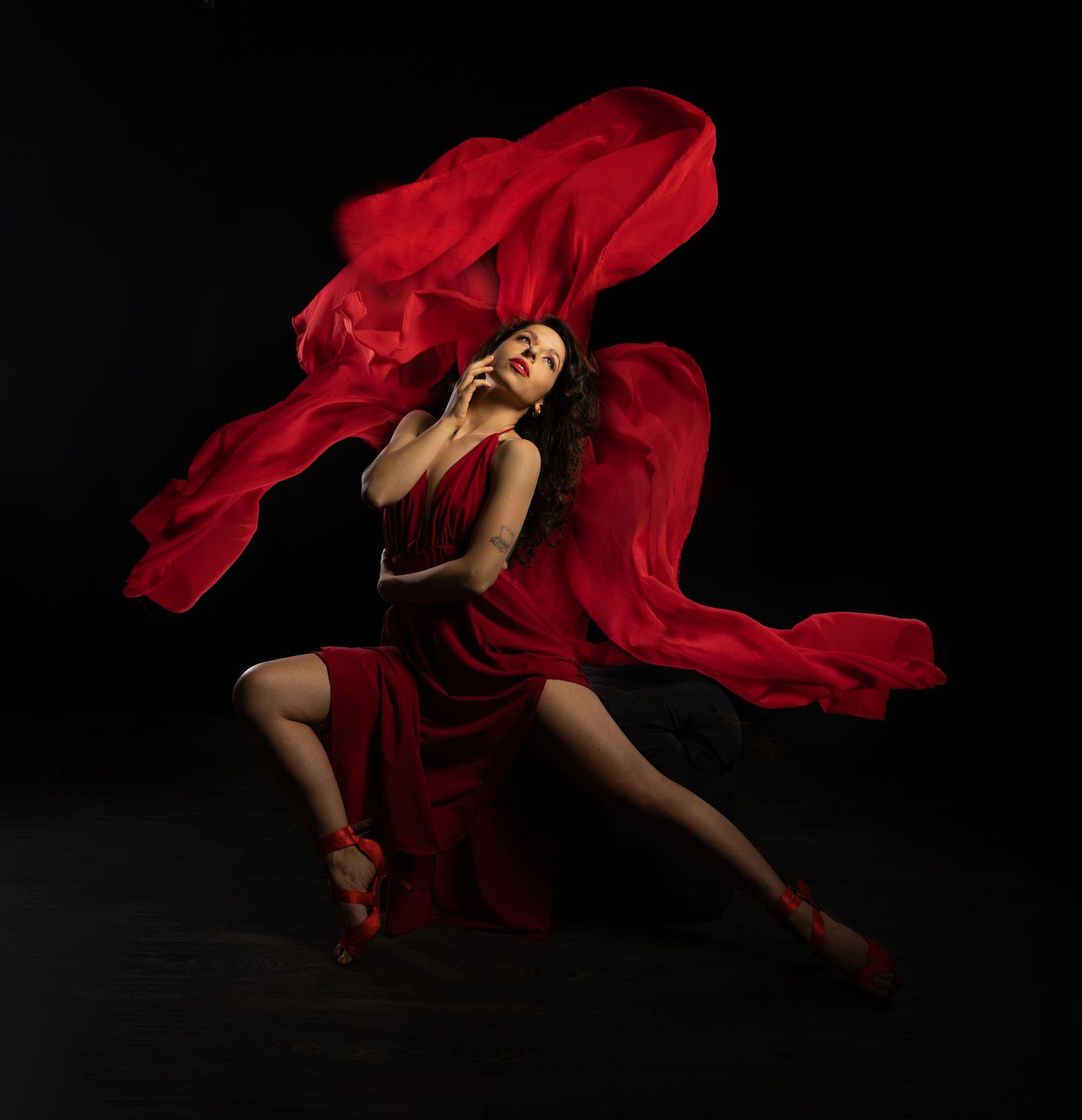
Portraiture
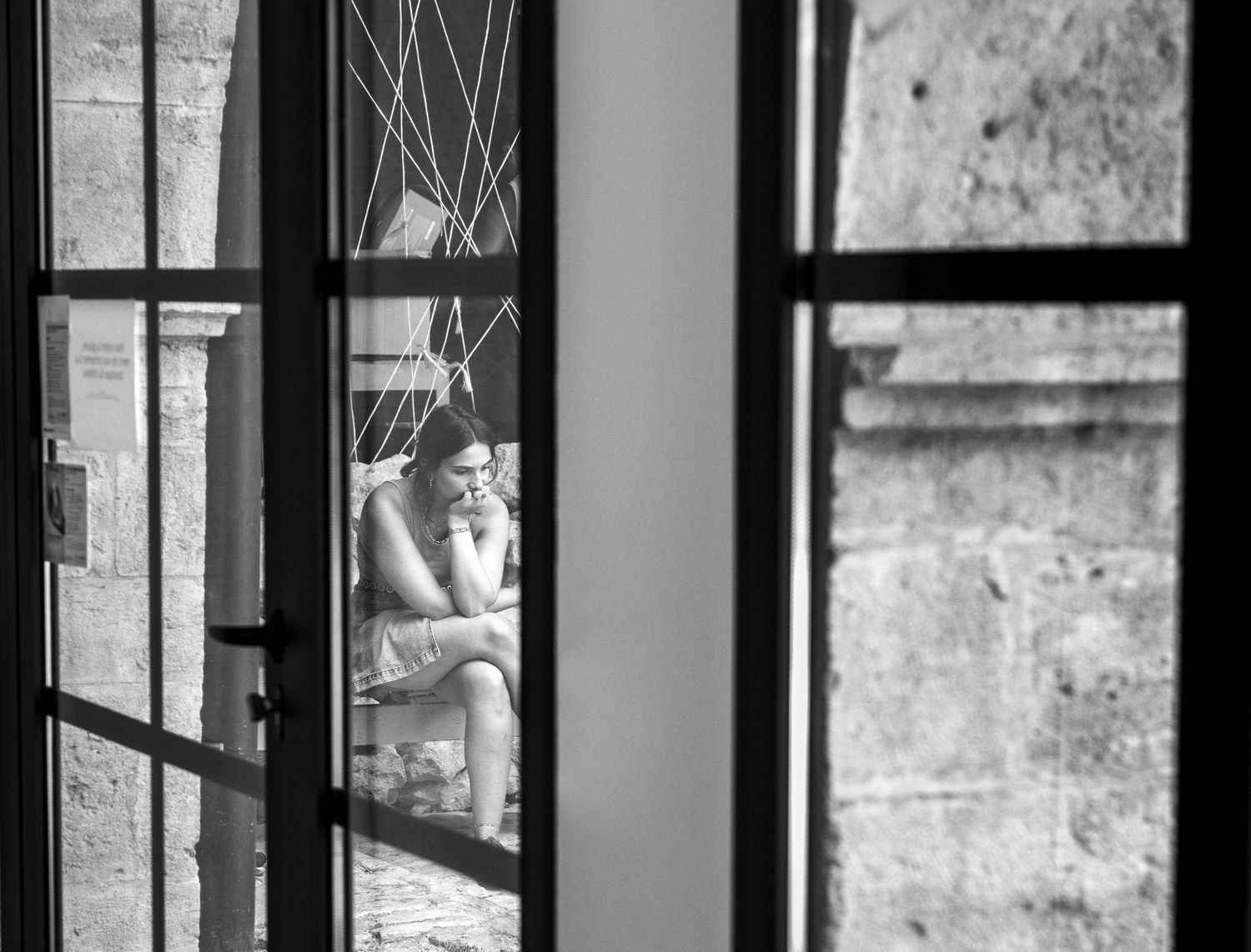
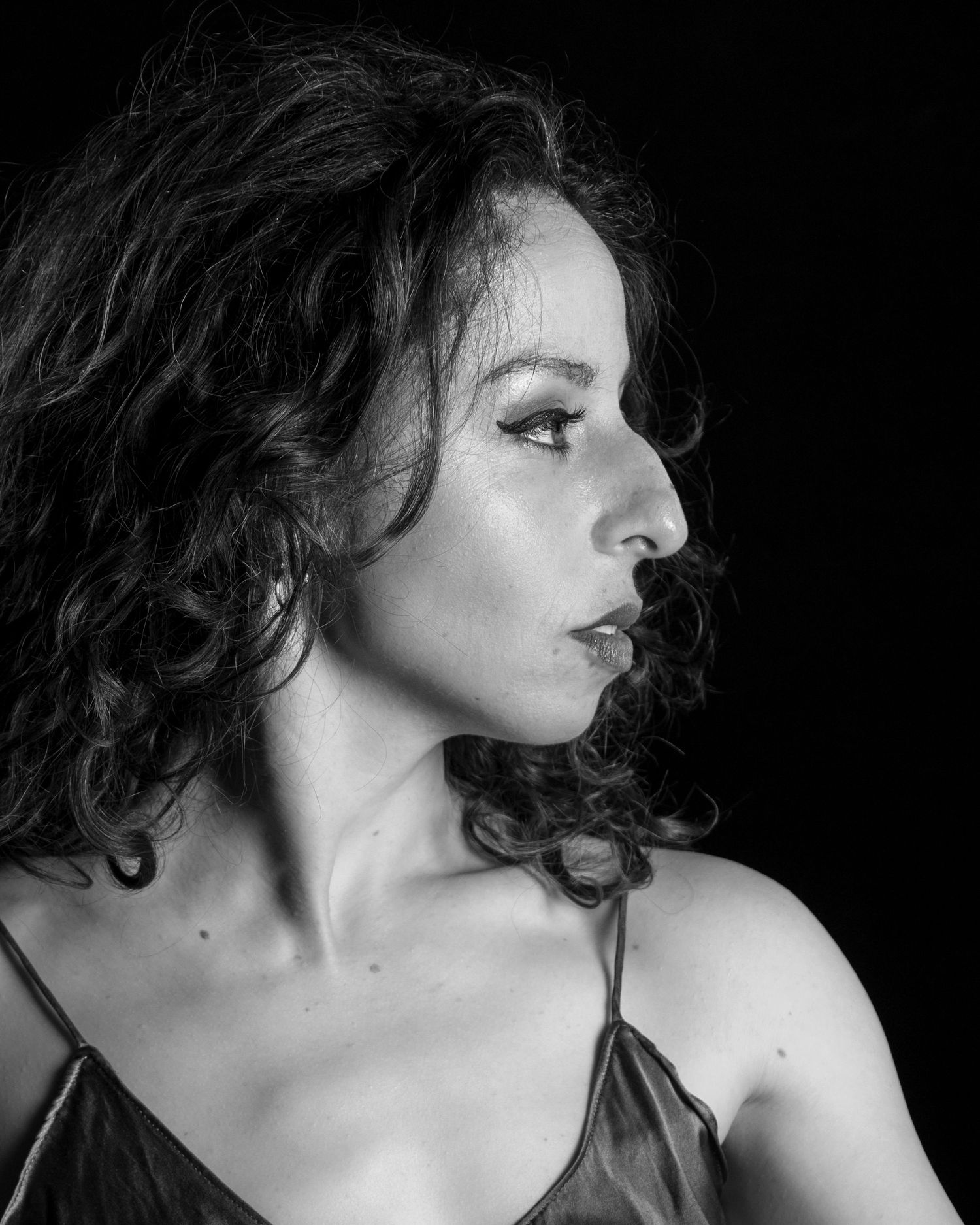
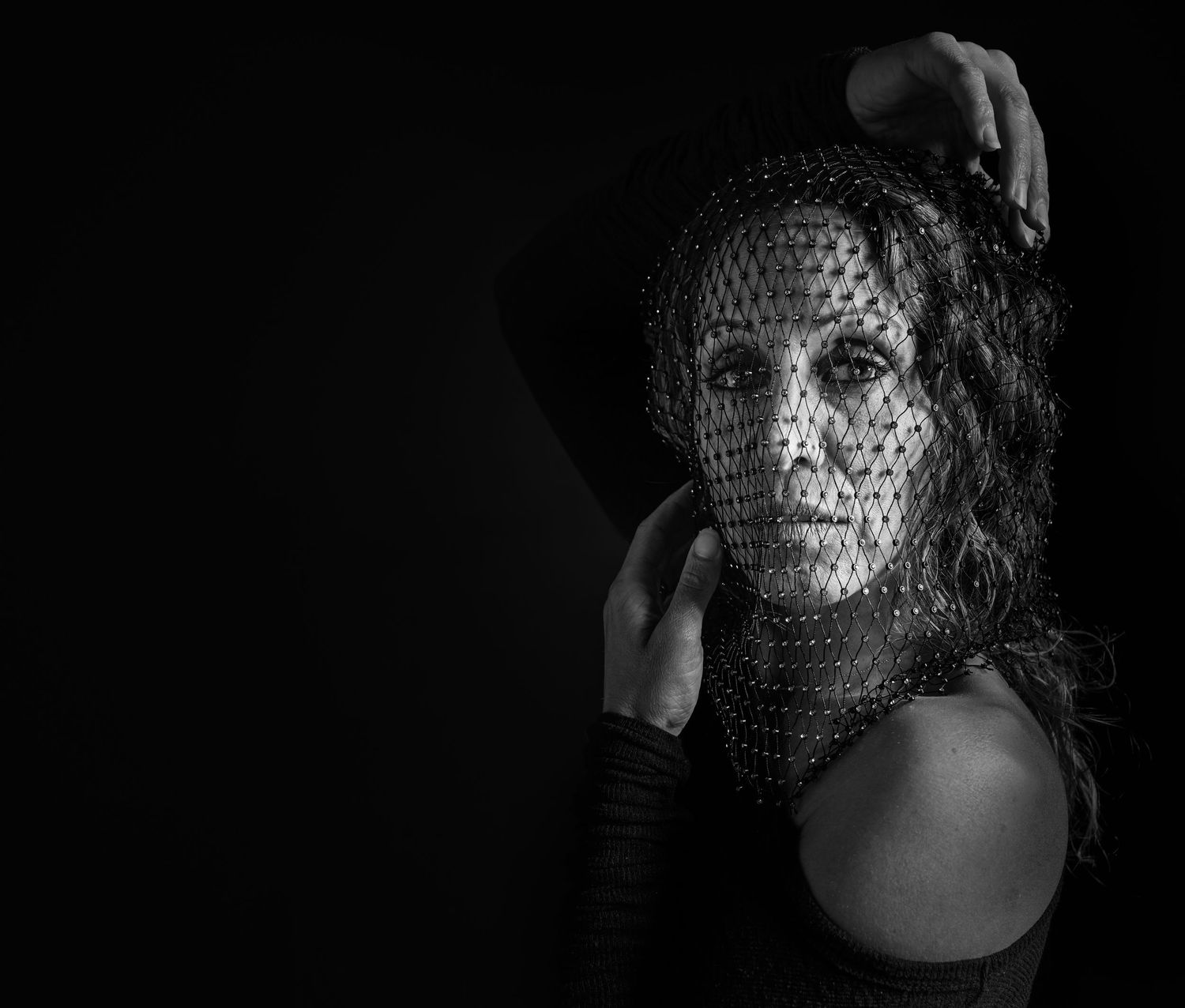
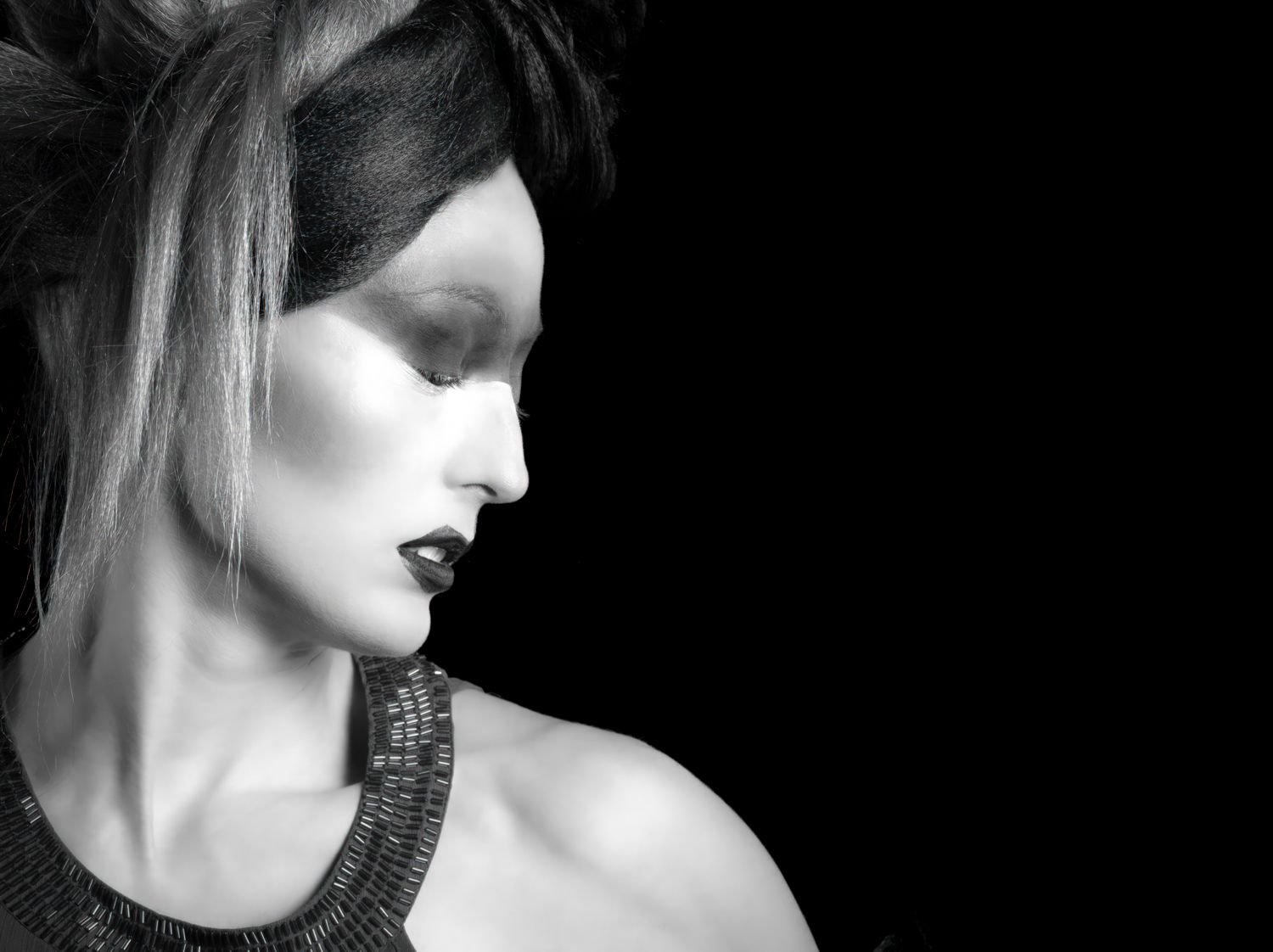
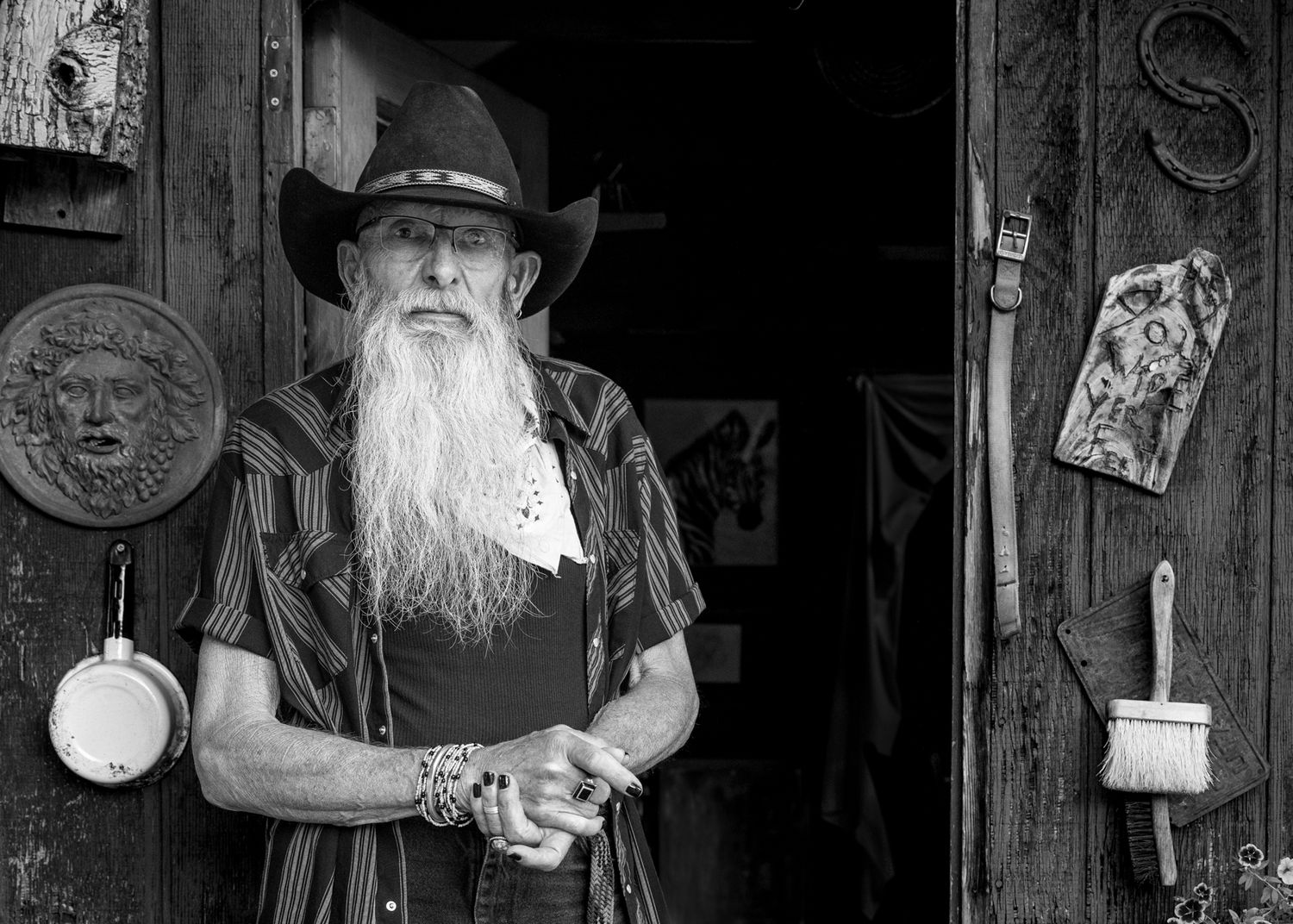
Portraiture is a collaboration between presence and perception. It’s less about perfection and more about honesty—the tilt of a head, the softness of a gaze, the way light falls across a face and reveals something quiet and true. A strong portrait doesn’t just document; it invites a kind of intimacy, a recognition. It allows the viewer to feel something human and unguarded. When made with care, portraits can carry memory, identity, and emotion in a way that lingers. It’s that stillness, that pause between expression and silence, where something meaningful often emerges.
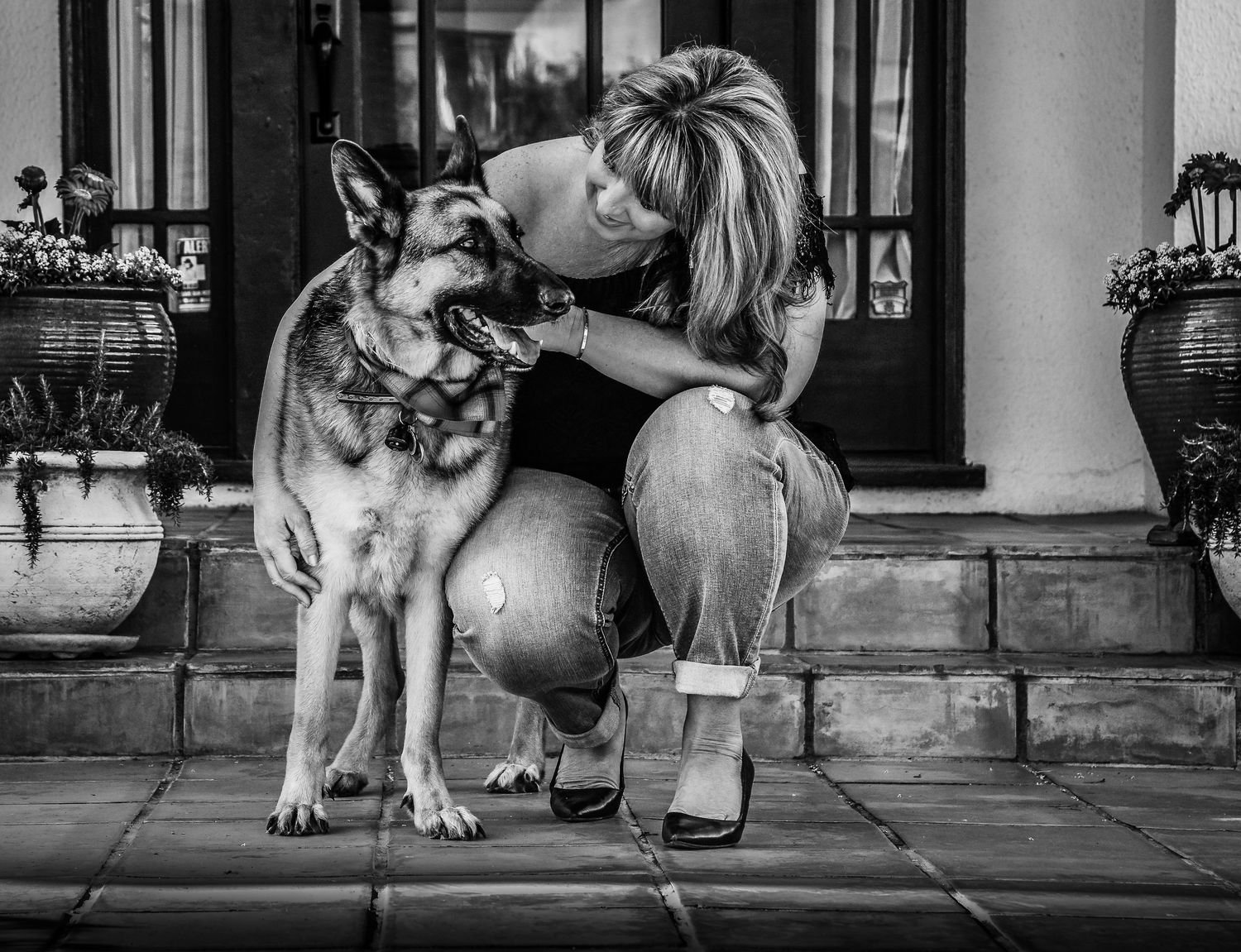
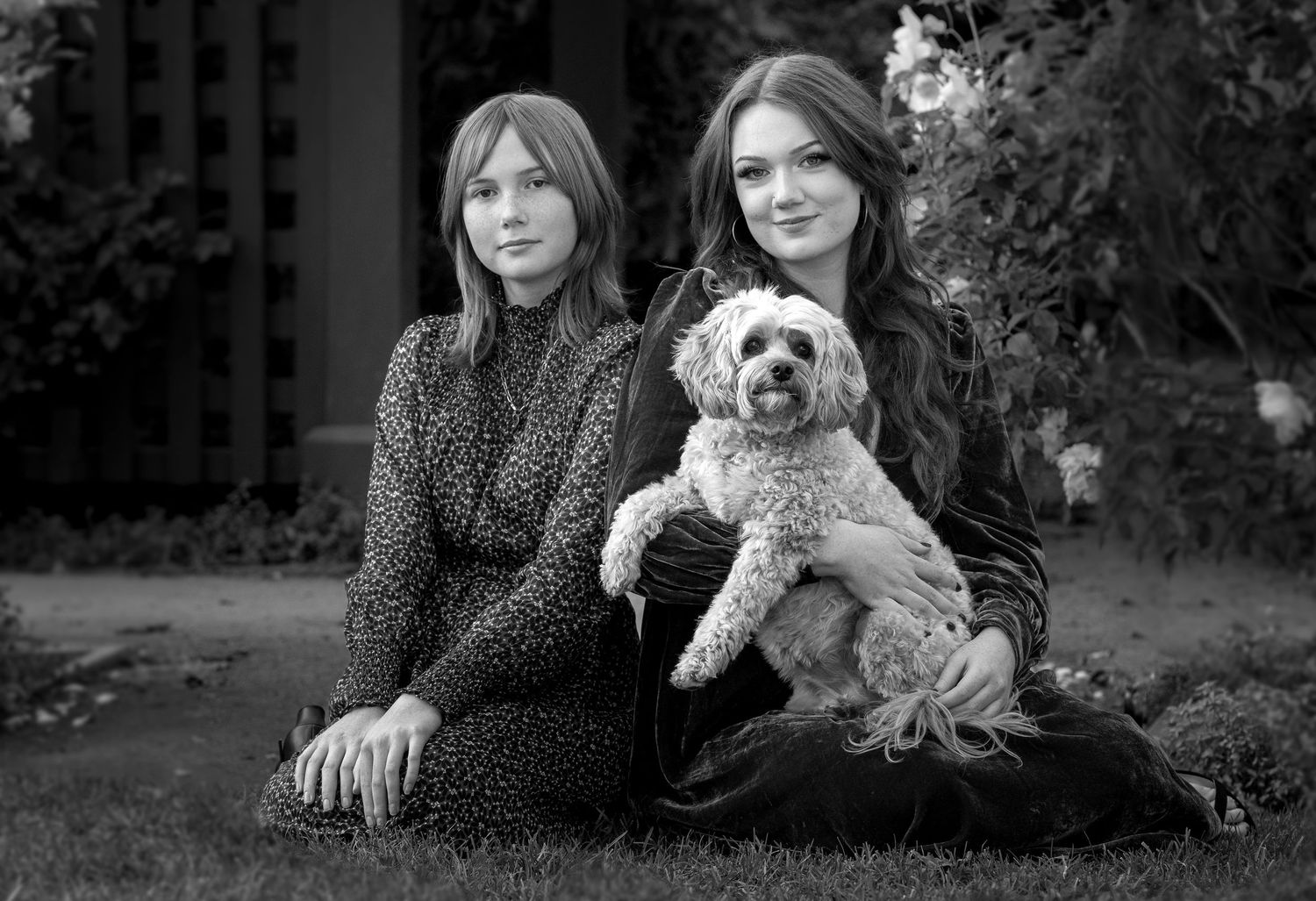
Children’s portraiture is a delicate dance between spontaneity and presence. Unlike adults, children rarely mask their emotions, which makes photographing them both challenging and deeply rewarding. Their expressions shift quickly—joy, wonder, defiance, curiosity—all unfolding in real time. The goal isn’t to force a pose but to create space for authenticity. Whether they’re engaged in play, lost in thought, or simply being themselves, the best portraits of children honor who they are in that fleeting moment. These images become time capsules—honest, tender reflections of growing personalities and the ever-changing rhythm of childhood. When approached with patience and attentiveness, children’s portraiture can reveal an unfiltered kind of beauty that feels both intimate and timeless.
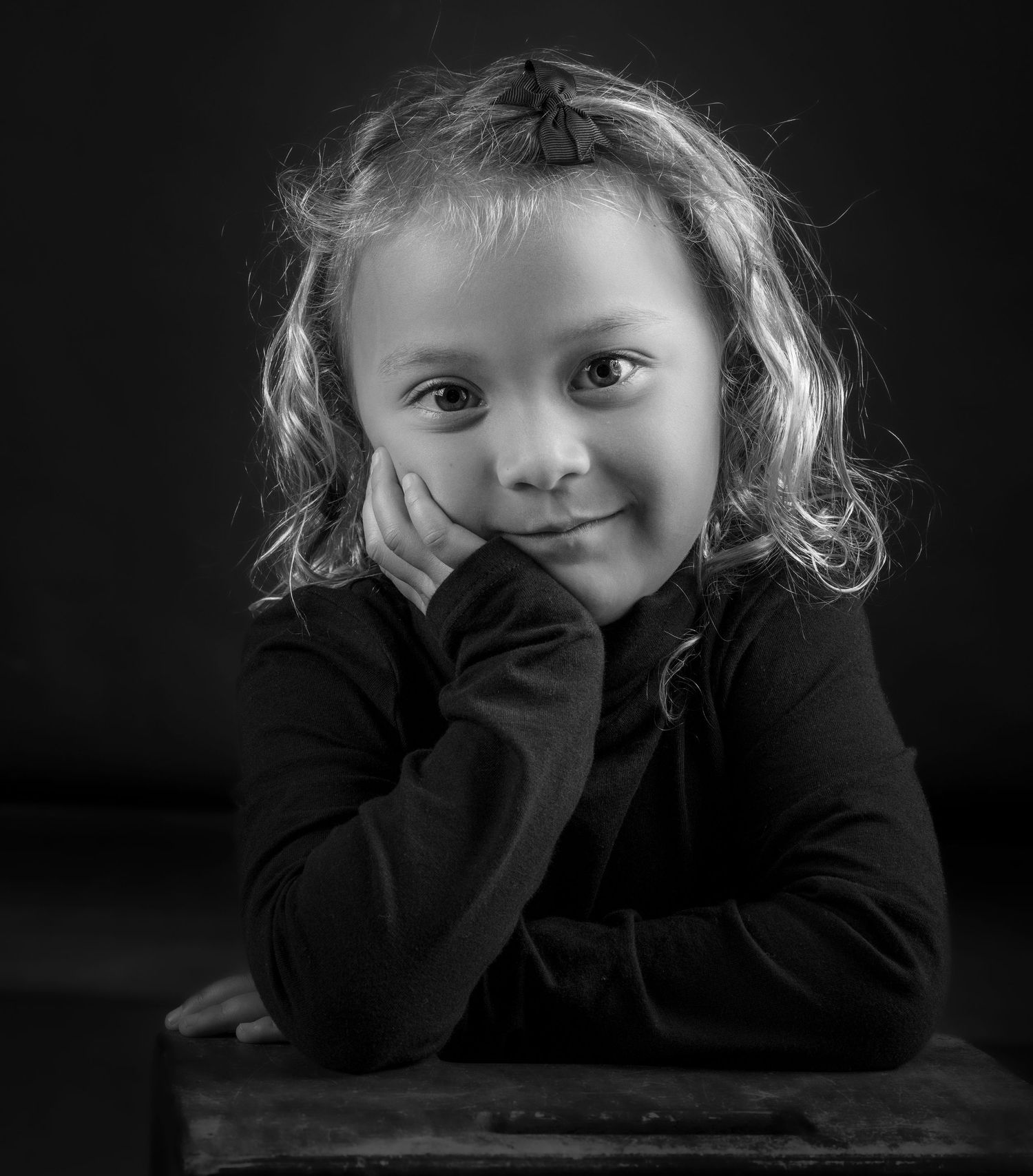
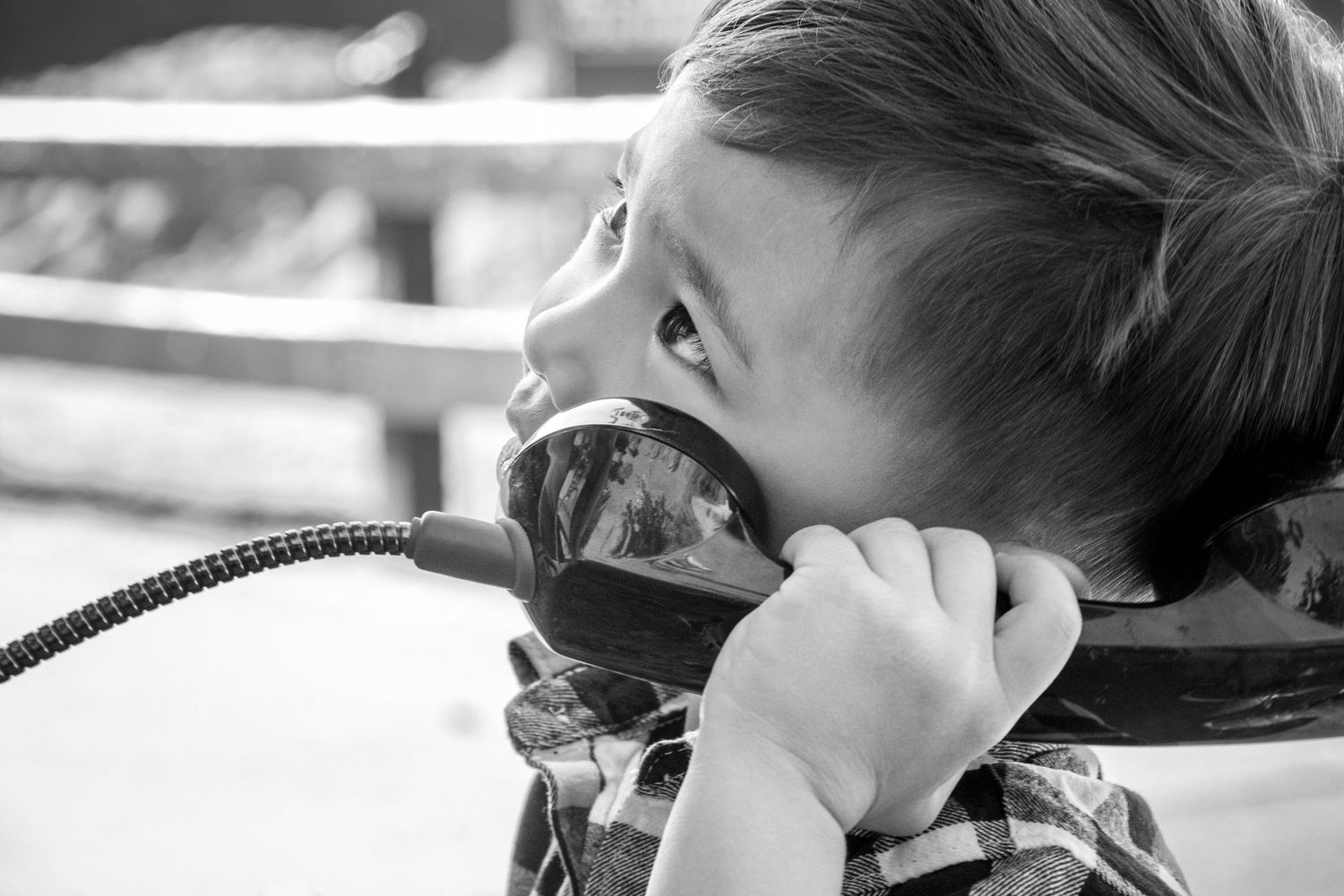
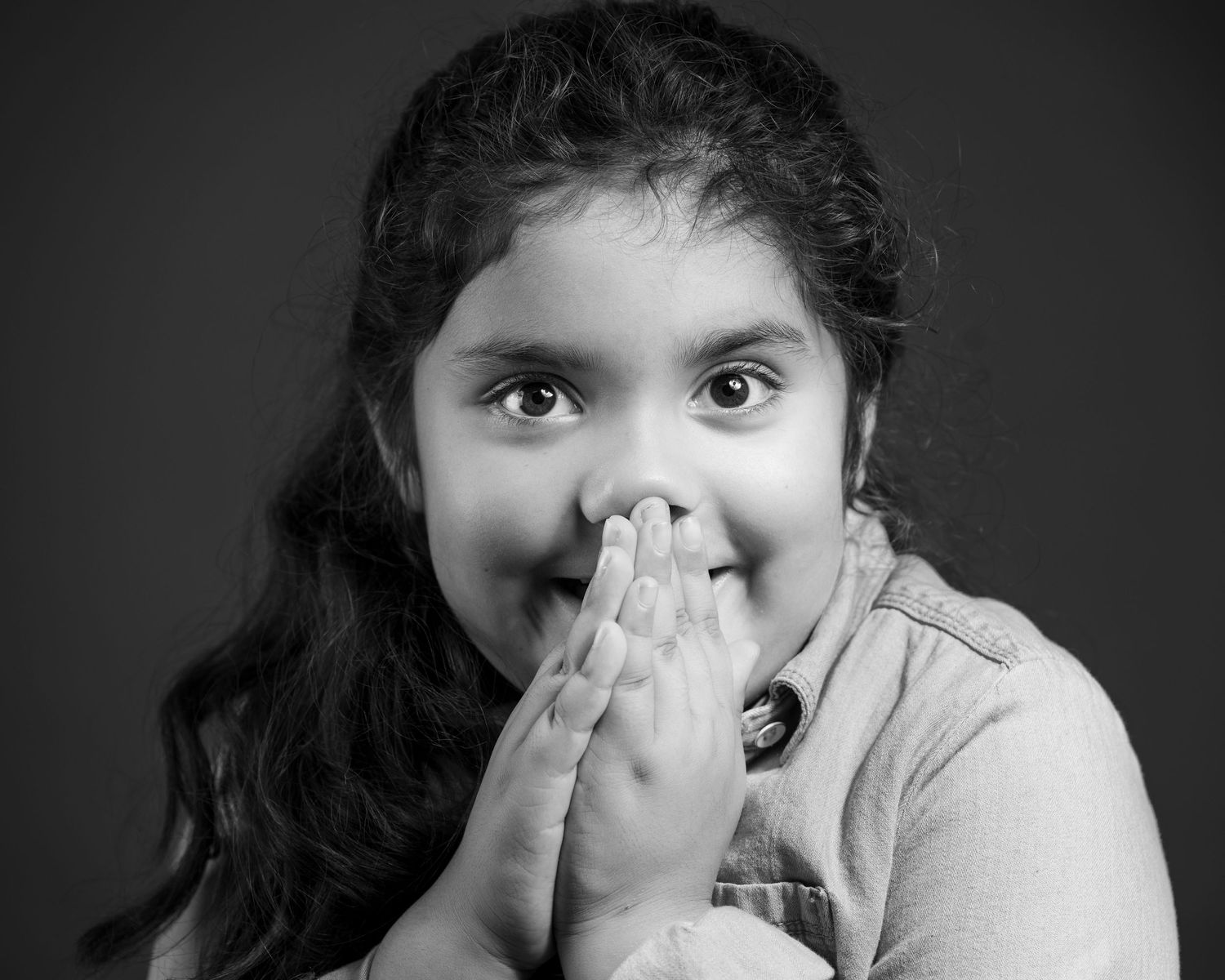
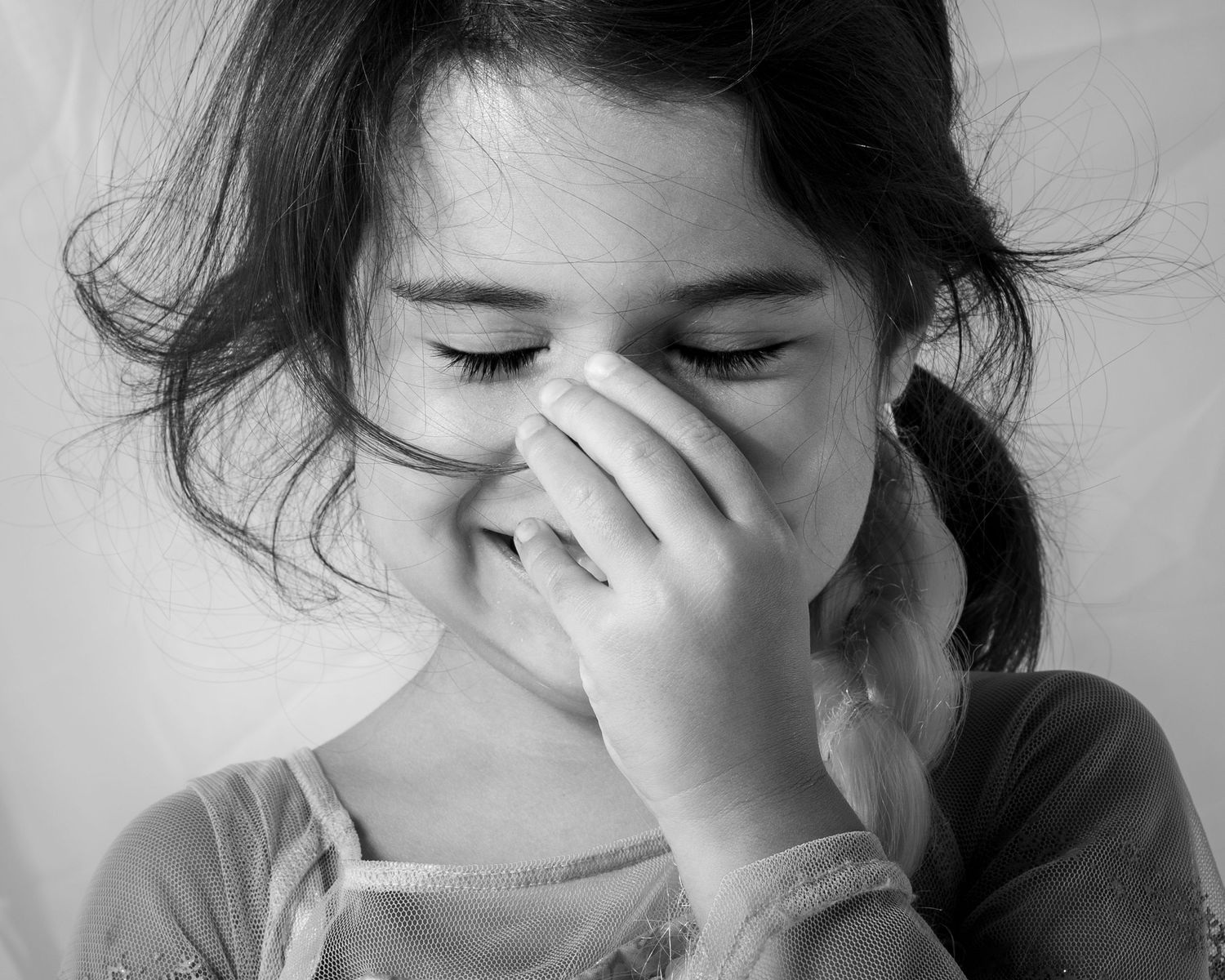
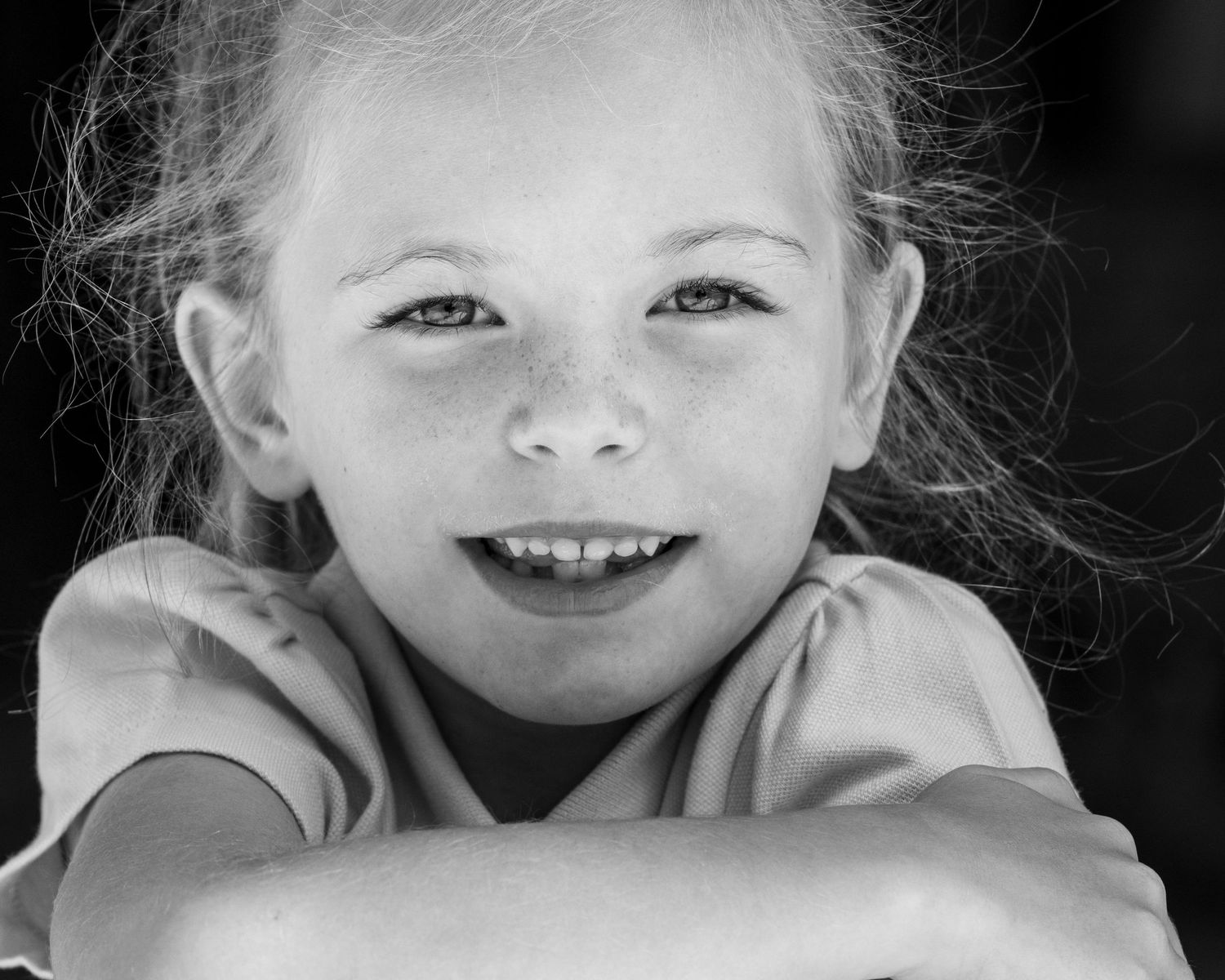
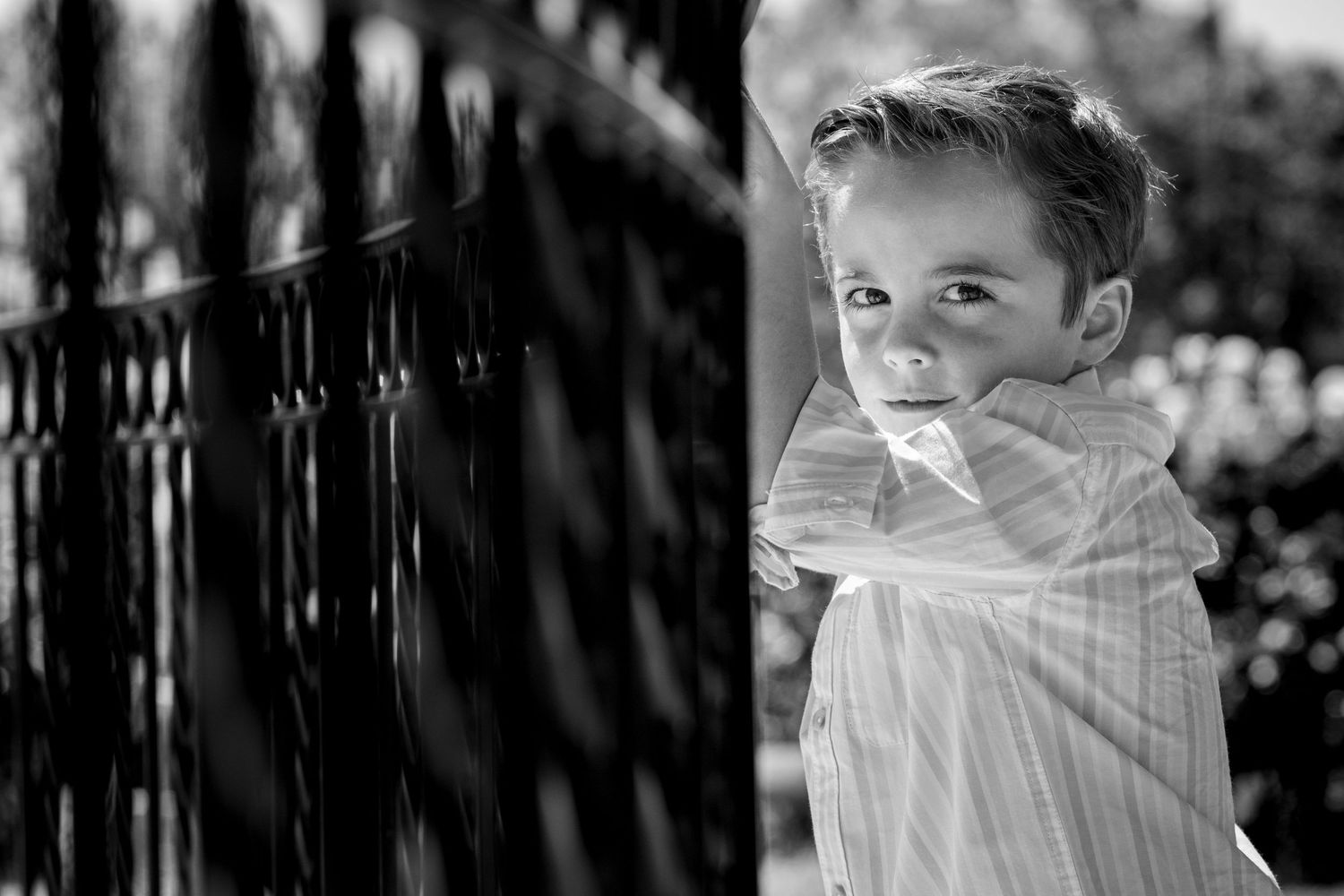
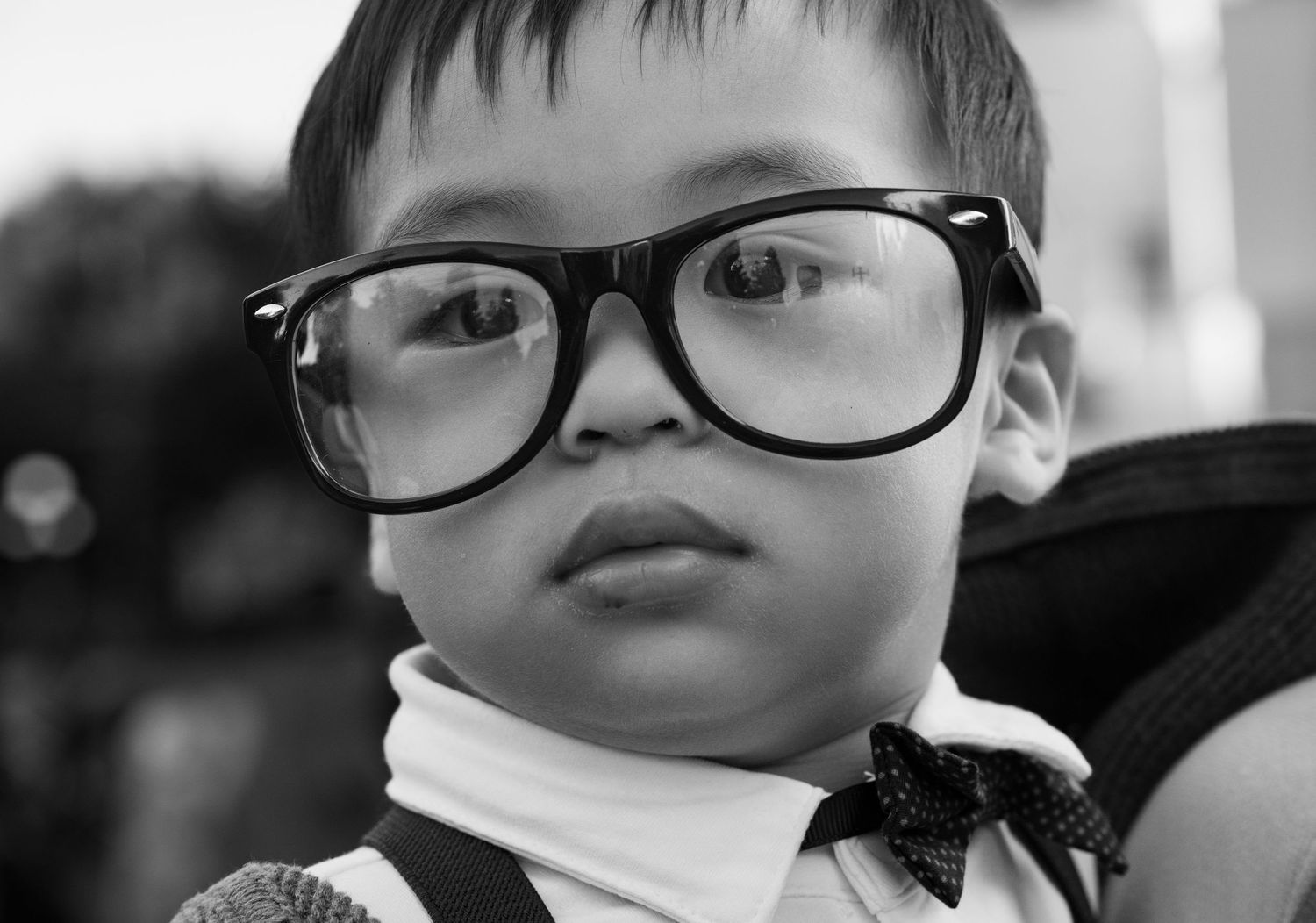
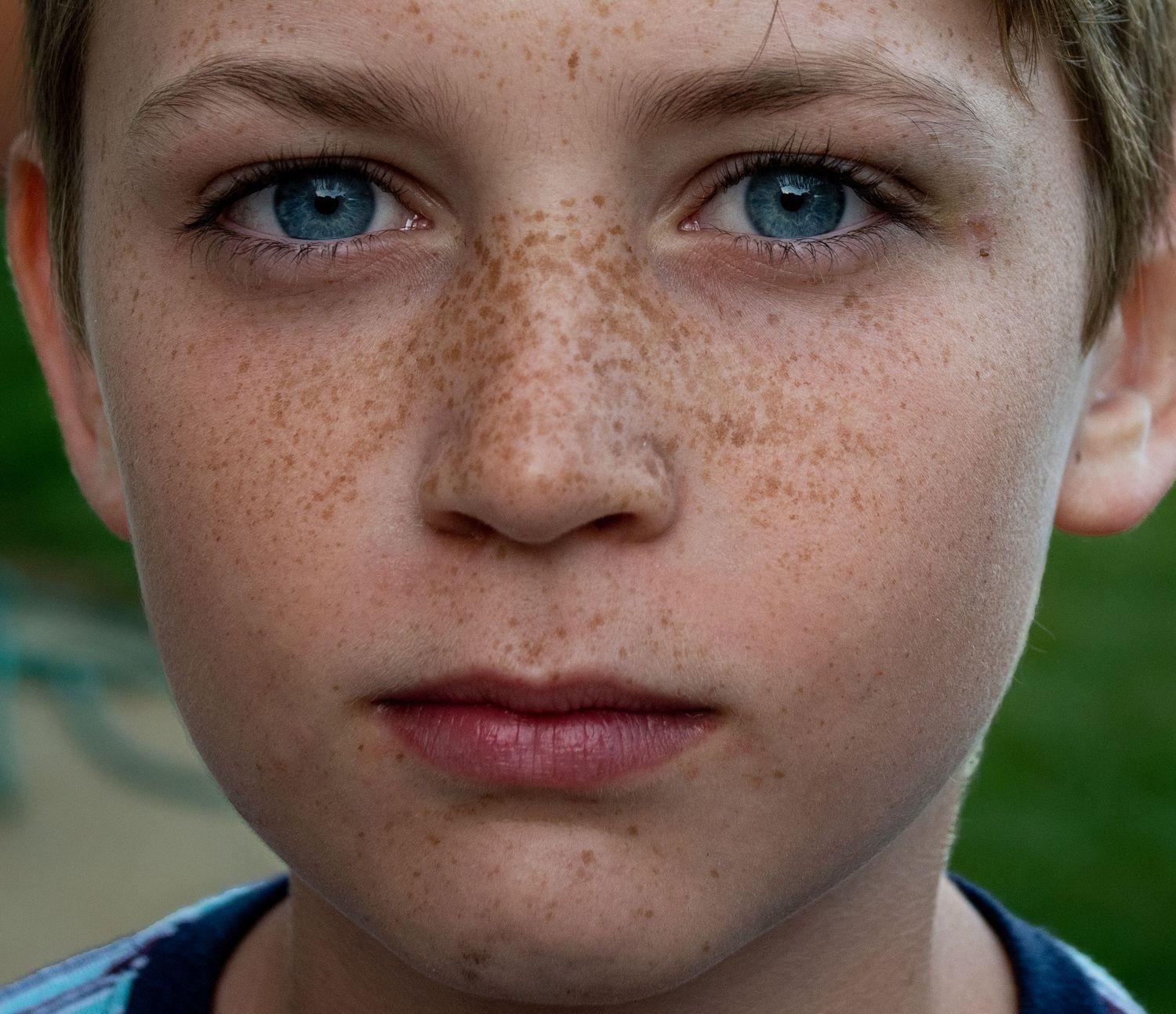
Often overlooked rules of composition can make a profound difference in how a photograph feels and connects.
Giving a subject space to breathe—whether it’s room to look or move into—can shift the tone from tense to contemplative. Watching the background carefully avoids distractions that might unintentionally compete with the subject. The direction of light, not just its strength, shapes emotion and depth; side light adds texture, backlight drama. Color and visual weight guide the eye—sometimes a small pop of color carries more power than a larger muted form. Thinking about how the eye flows through the frame, and allowing moments of quiet space, invites the viewer to linger.
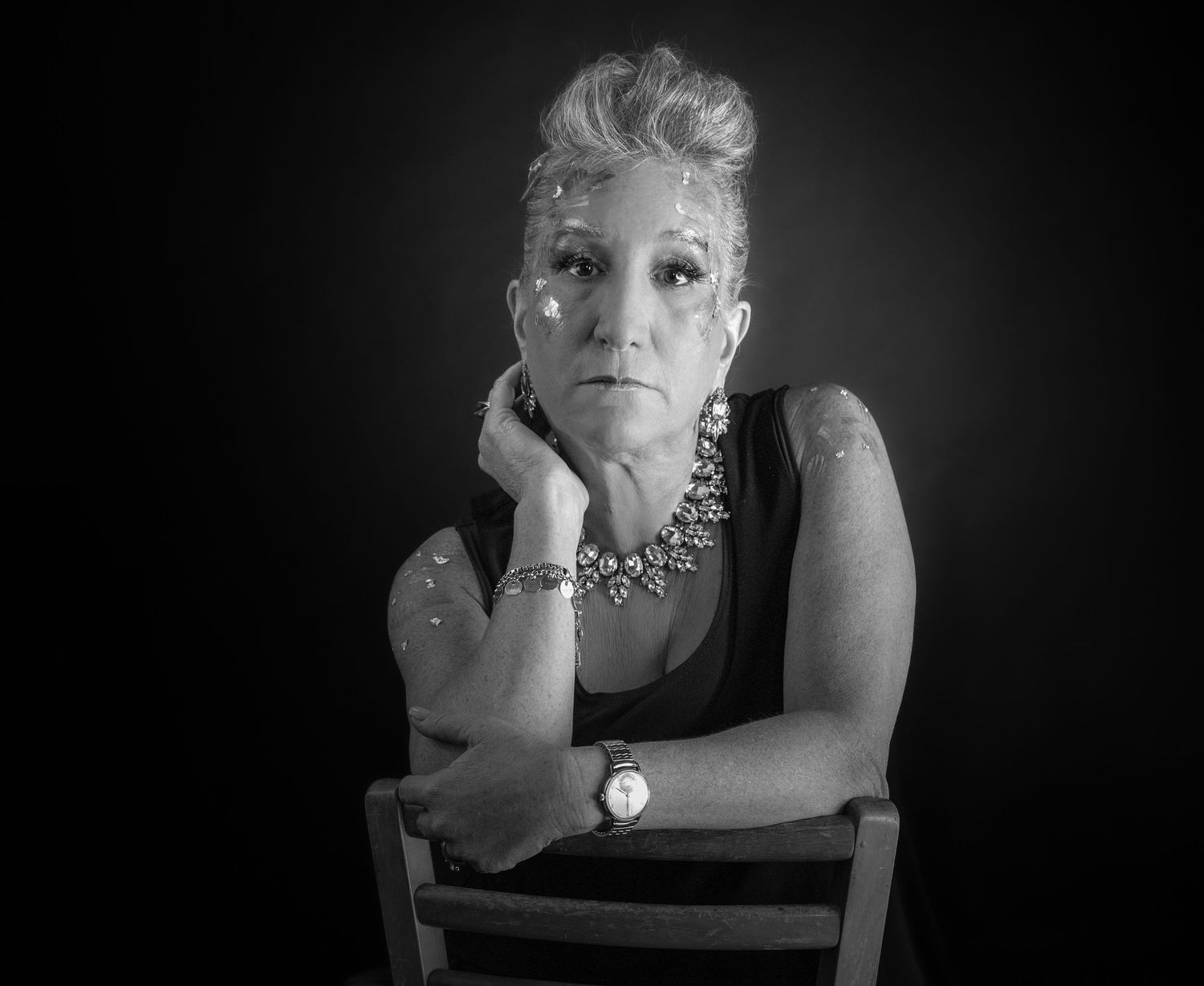
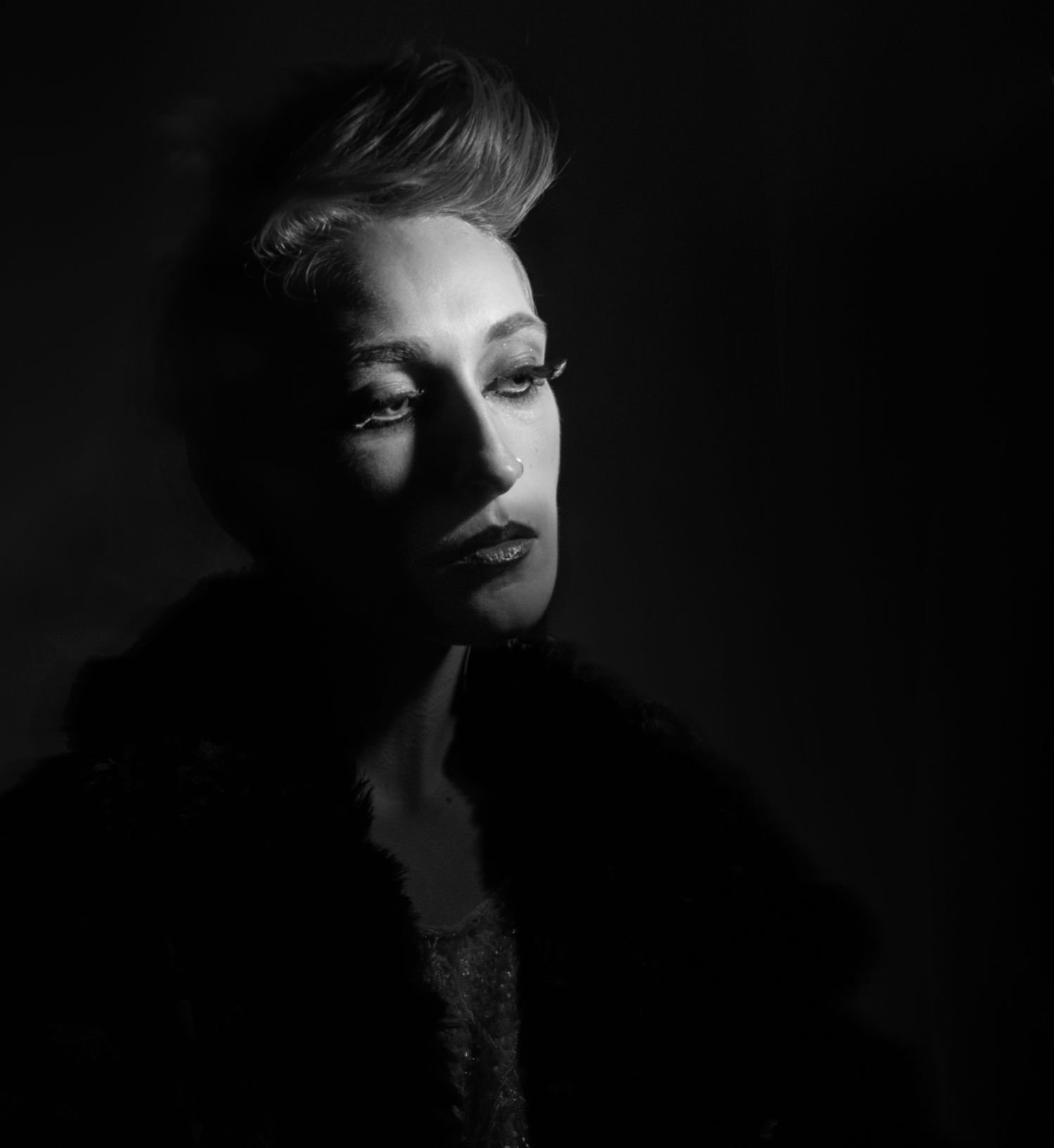
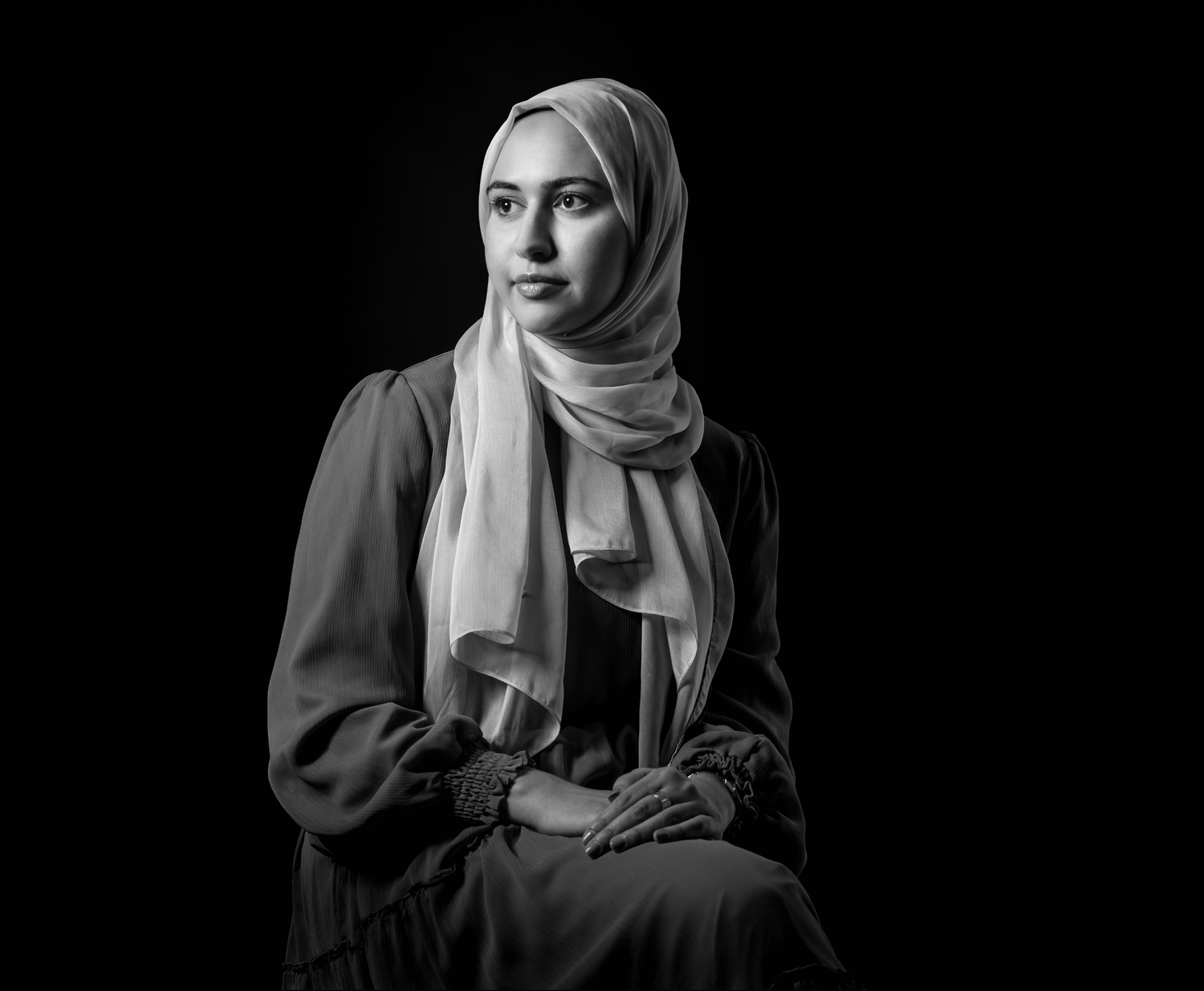
Patterns and textures add rhythm, and breaking them can create emphasis. Even the way a frame crops into a figure can signal intention or accident. But perhaps most important: emotion and gesture should always lead. A photo that captures feeling, even imperfectly, is often more memorable than one that’s flawlessly composed but emotionally empty.